Understanding Residential Metal Roofs
In the world of roofing, metal roofs have gained significant traction due to their durability, aesthetic appeal, and energy efficiency. Among the various types of metal roofing, the Residential Metal Roof stands out as an exceptional choice for homeowners. This roofing solution is particularly well-suited for modern architectural designs, offering both form and function. This article delves into what makes residential metal roofs a superior option compared to traditional materials!
What is a Residential Metal Roof?
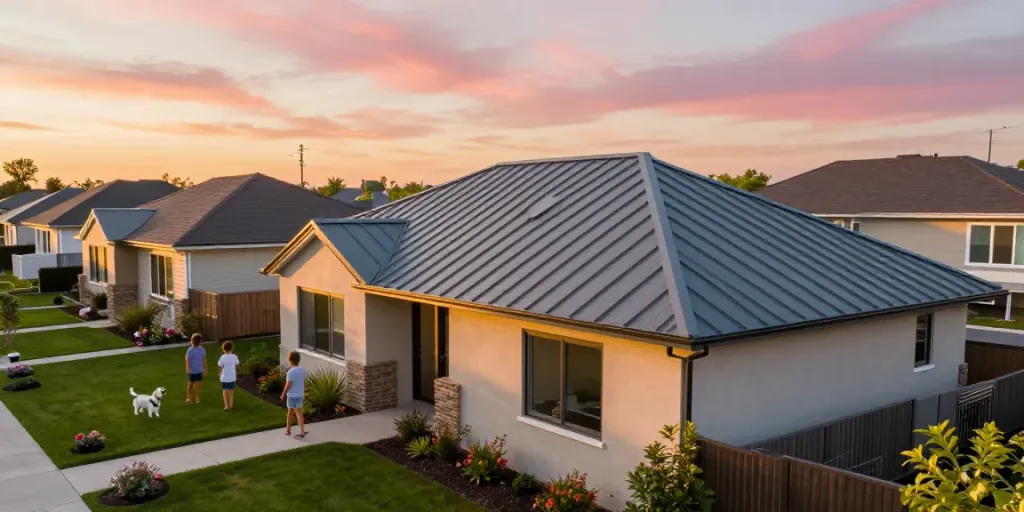
A residential metal roof is a roofing system made specifically from metal materials, providing a modern alternative to traditional roofing options like asphalt shingles. These roofs are primarily constructed from materials such as galvanized steel, aluminum, copper, or zinc. Known for their longevity, metal roofs can last 40-70 years with proper maintenance, significantly outlasting asphalt roofs, which typically need replacing every 15-20 years.
Types of Metal Roofs Available
Homeowners have several types of residential metal roofing options to choose from:
- Standing Seam Metal Roofs: Characterized by raised seams that interlock, providing superior protection against leaks.
- Metal Shingles: These resemble traditional shingles but are made from metal, offering similar aesthetics with enhanced durability.
- Corrugated Metal Roofing: Known for its ribbed design, this type is often used in agricultural settings but is gaining popularity in residential applications.
- Metal Tiles: Offering the appearance of tiles with the durability of metal, these roofs are a stylish option for many homeowners.
Benefits of Choosing Metal Roofing
Opting for a metal roof comes with numerous advantages:
- Durability: Metal roofs can withstand severe weather conditions, including high winds, heavy rain, and snow.
- Energy Efficiency: They reflect solar heat, reducing cooling costs in warmer months and improving insulation performance during the colder seasons.
- Low Maintenance: Unlike asphalt shingles that may need regular repairs, metal roofs require minimal upkeep, saving time and money in the long run.
- Environmental Impact: Many metal roofs are made from recycled materials, and they are recyclable at the end of their life cycle, making them an eco-friendly choice.
Installation Process and Best Practices
Preparing Your Home for Installation
Before installing a metal roof, it's essential to prepare your home adequately. This includes:
- Conducting a thorough inspection of the existing roof and structural assessment.
- Removing any old roofing materials, ensuring that the decking is sound and free from rot.
- Installing proper insulation to enhance energy efficiency and sound reduction.
Understanding the Installation Timeline
The installation of a metal roof typically follows a structured timeline:
- Assessment and preparation can take 1-2 days, depending on roof complexity.
- The installation process itself can take anywhere from 2 to 5 days, depending on the roofing system chosen and the size of the home.
- Final inspections and touch-ups may add an additional day to the timeline.
Common Installation Mistakes to Avoid
To ensure a successful installation, homeowners should avoid the following common pitfalls:
- Not hiring certified installers who understand the specific requirements of metal roofs.
- Failing to incorporate proper ventilation, which is crucial for preventing heat build-up and moisture accumulation.
- Overlooking the importance of flashing and sealants, which are essential for leak prevention.
Maintenance and Care for Metal Roofing
Routine Maintenance Tips
While metal roofs are low-maintenance, they still require some attention:
- Regularly inspect your roof for debris, rust, or signs of wear.
- Clean gutters and downspouts to ensure proper water drainage.
- Schedule periodic professional inspections to catch any potential issues early.
Identifying and Addressing Issues Early
Homeowners should be vigilant in spotting problems such as:
- Rust spots, particularly on galvanized steel roofs.
- Loose or damaged panels that could lead to leaks.
- Signs of wear around seams and flashing points.
Longevity and Warranty Insights
The longevity of a metal roof is one of its standout features. Most manufacturers offer warranties ranging from 30 to 50 years, depending on the materials used and the installation quality. Always check warranty details before installation to ensure adequate coverage.
Cost Analysis: Residential Metal Roofs
Initial Investment vs Long-term Savings
While the initial costs for installing a metal roof can be higher than traditional asphalt shingles, the long-term savings make them an attractive option. Homeowners can expect their investment to pay off through:
- Reduced energy costs due to improved insulation and heat reflection.
- Lower repair costs, as metal roofs typically require less maintenance over time.
- Increased home value, as prospective buyers often view metal roofs as a premium feature.
Factors Affecting Metal Roof Pricing
Several factors can influence the overall cost of a residential metal roof installation:
- Material Type: Different metals come at varying price points, with copper generally being the most expensive.
- Roof Size and Complexity: Larger or more complex roofs require more materials and labor, impacting the total cost.
- Geographic Location: Installation costs can vary based on local labor rates and material availability.
Comparing Costs with Other Roofing Types
When comparing metal roofing to traditional options, consider the following:
- Asphalt Shingles: Initially cheaper but may need to be replaced multiple times within the lifespan of a metal roof.
- Tile Roofing: Offers durability but often requires additional structural support due to weight.
- Wood Shakes: Aesthetic appeal is high, but they have a shorter lifespan and higher maintenance costs.
Future Trends in Metal Roofing
Innovations in Materials and Design
The metal roofing industry is evolving with innovative materials and designs that enhance performance and aesthetics. Some trends include:
- Coatings for Enhanced Longevity: Advancements in paint technology provide longer-lasting finishes that resist fading and damage.
- Integration with Smart Home Technology: Future roofs may include systems for monitoring roof conditions or integrating with solar panels seamlessly.
Energy Efficiency Advances for 2026
As energy efficiency becomes increasingly important, metal roofs are evolving to meet these demands:
- Reflective coatings that enhance thermal performance are expected to become standard.
- Increased options for solar panel integration will allow homeowners to further reduce energy costs.
Market Predictions and Homeowner Preferences
Market trends indicate that the demand for residential metal roofs will continue to rise. Homeowners are increasingly valuing durability and low maintenance, making metal roofing an appealing option. Additionally, as sustainability becomes a priority, the recyclable nature of metal roofs aligns well with modern homeowner values.
How do Residential Metal Roofs Benefit Homeowners?
Residential metal roofs offer numerous benefits that contribute to overall homeowner satisfaction:
- Longevity: With a lifespan of up to 70 years, metal roofs outlast traditional materials.
- Energy Efficiency: Reduced energy bills due to superior thermal performance.
- Aesthetic Appeal: Available in various styles and colors to enhance curb appeal.
What is the lifespan of a Residential Metal Roof?
A residential metal roof can last anywhere from 40 to 70 years, depending on the material and maintenance. Choosing high-quality materials and proper installation are essential for maximizing the lifespan of your metal roofing.
Can a Residential Metal Roof be installed over existing roofing?
Yes, one of the advantages of metal roofing is that it can often be installed over existing roofs, reducing the need for costly tear-offs. However, it’s crucial to consult with a qualified contractor to ensure structural integrity and compliance with local building codes.
What are the best maintenance practices for Residential Metal Roofs?
Maintaining a residential metal roof is straightforward. Homeowners should prioritize regular inspections, clear debris from the roof, maintain gutters, and address any rust or damage promptly to ensure the roof’s longevity.
How does a Residential Metal Roof compare to asphalt shingles?
Residential metal roofs outperform asphalt shingles in several key areas, including lifespan, durability, and energy efficiency. While asphalt shingles may have a lower initial cost, they demand more frequent replacements and repairs over time.
What are the environmental benefits of installing a Residential Metal Roof?
Metal roofs are eco-friendly options as they are often made from recycled materials and are fully recyclable at the end of their lives. In addition, their energy-efficient properties contribute to reducing overall energy consumption in homes.