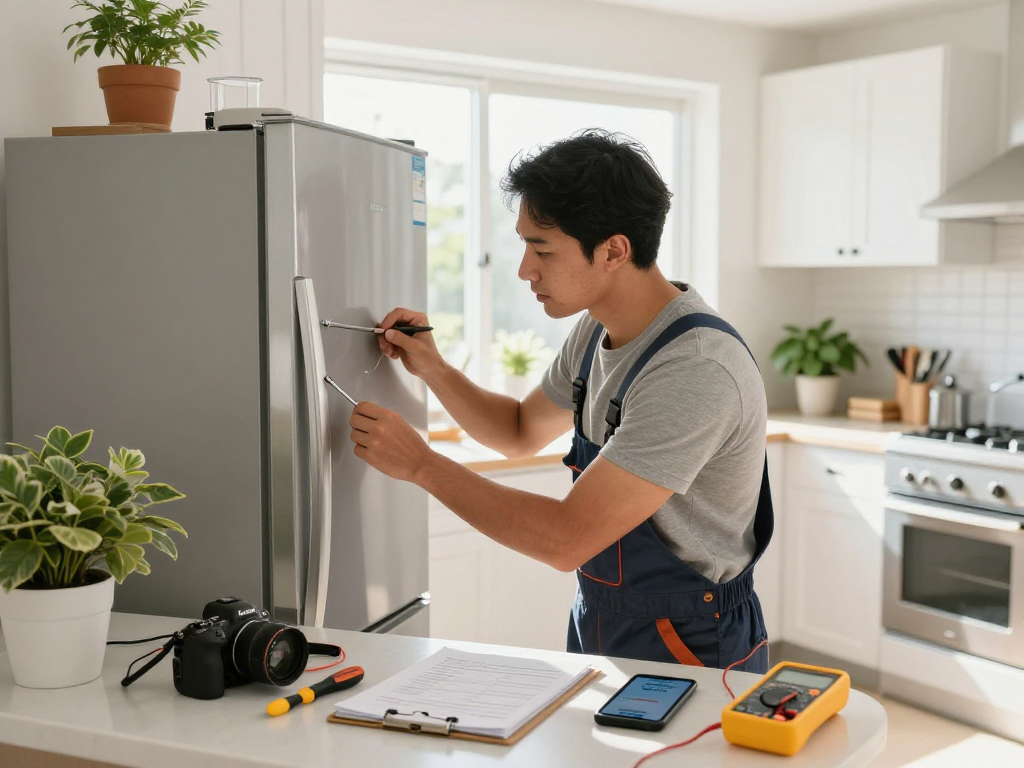
Understanding Common Appliance Issues
Appliances play a crucial role in our everyday lives, providing convenience and efficiency. However, they can also encounter a variety of issues that disrupt their functionality. In Aurora, residents often face appliance failures that require prompt attention from repair services. Understanding these common problems is essential for recognizing when it’s time to seek help. With professional assistance, you can prolong the life of your appliances and maintain a smooth operation at home. For those in need of expert solutions, appliance repair Aurora offers a range of services tailored to overcome various appliance challenges.
What Are the Most Frequent Appliance Failures?
Some appliances are more prone to failure than others. Here are a few that typically encounter issues:
- Refrigerators: Common problems include inadequate cooling, excessive frost buildup, or issues with the water dispenser.
- Washing Machines: Frequent issues include failure to spin, water leakage, or failure to start.
- Ovens: Problems often involve inaccurate temperature readings, failure to heat, or issues with the self-cleaning function.
- Dishwashers: Many consumers report issues such as poor cleaning efficiency, leaks, or strange noises during operation.
Signs You Need Appliance Repair Services?
Identifying the signs that you need professional appliance repair is critical for minimizing larger issues. Look out for these indicators:
- Unusual Noises: Sounds like grinding, buzzing, or hissing can suggest mechanical problems.
- Increased Energy Bills: If your utility expenses rise unexpectedly, it might indicate that your appliance is not operating efficiently.
- Visible Damage or Wear: Cracks, frayed cords, or rust are signs that repairs should be considered.
- Frequent Breakdowns: If you find that an appliance needs constant fixing, it might be time to consult a professional.
How to Diagnose Your Appliance Problems?
To effectively diagnose appliance issues, follow these steps:
- Observe: Pay attention to any irregularities in performance.
- Read the Manual: Often, the user manual contains troubleshooting sections that can help identify common issues.
- Check Connections: Ensure that power and water connections are intact and functioning.
- Run a Diagnostic: Many modern appliances come with self-diagnostic settings that can pinpoint errors.
Choosing the Right Repair Service
When your appliance needs repair, selecting the right service provider is critical. Your choice can significantly affect both the quality of the repair and your overall satisfaction with the service.
Key Factors to Consider When Hiring Appliance Repair Aurora Professionals?
To ensure you select a qualified repair service, consider the following criteria:
- Licensing and Insurance: Verify that the technician holds the necessary licenses and insurance to protect yourself from any liabilities.
- Experience: Look for companies that have a proven track record in repairing a wide variety of appliances.
- Service Guarantees: Check if the repair service offers warranties on their work and the parts used.
- Availability: Choose a service that can accommodate your schedule, especially if the appliance is critical for daily tasks.
Reviews and Recommendations: Why They Matter?
Word-of-mouth is a powerful tool in the appliance repair industry. Reviews and recommendations can provide insight into a service's reliability and quality. Look for:
- Online Reviews: Websites like Google Reviews and Yelp can give you an idea of customer satisfaction levels.
- Referrals: Ask friends and family about their experiences with local repair services.
- Professional Associations: Membership in organizations can indicate a commitment to industry standards.
Cost vs. Quality: Finding the Best Value for Appliance Repair?
While it’s tempting to choose the cheapest option available, this may not always lead to the best outcome. Consider the following:
- Transparent Pricing: Look for services that provide upfront pricing to avoid hidden fees.
- Cost of Parts: Inquire whether they use original manufacturer parts or generic ones, as this can greatly affect quality.
- Long-Term Value: Sometimes investing a bit more initially can save you money in the long run through a reliable repair that lasts longer.
DIY vs. Professional Appliance Repair
With the rise of DIY culture, many homeowners consider attempting repairs themselves. However, understanding when to call in a professional can save you time and money.
When Is It Safe to Attempt DIY Appliance Repairs?
Before deciding to repair an appliance yourself, consider the following:
- Simple Fixes: Minor issues like unclogging a dishwasher or replacing a fuse are often suitable for DIY.
- Warranty Considerations: Check if repairing the appliance yourself voids the warranty.
- Safety: If the repair involves electrical components or gas lines, it's best left to a professional.
Tools and Resources for DIY Appliance Fixes?
If you choose the DIY route, having the right tools and resources is essential:
- Basic Tools: Common tools include screwdrivers, pliers, multimeters, and wrenches.
- Online Tutorials: Websites like YouTube and DIY forums can provide valuable step-by-step guides.
- Manufacturer Websites: Many brands offer troubleshooting guides and manuals online that can be quite helpful.
Common Mistakes to Avoid in DIY Repairs?
Avoid these common pitfalls to ensure your repair is successful:
- Ignoring Safety Precautions: Always disconnect appliances from power sources before starting repairs.
- Not Keeping Track of Parts: Take apart appliances carefully and keep track of where each part fits.
- Rushing the Process: Take your time to ensure every step is completed correctly; haste can lead to mistakes.
Appliance Maintenance Tips for Longevity
Proper maintenance can significantly enhance the lifespan of your appliances. Below are strategies to keep them in good condition.
Best Practices for Maintaining Your Appliances?
To extend the life of your appliances, implement these best practices:
- Regular Cleaning: Keep appliances clean and free from debris to prevent malfunction.
- Routine Inspections: Periodically check for signs of wear, leaks, or unusual noises.
- Follow Manufacturer Guidelines: Adhere to maintenance schedules and practices outlined in the user manual.
Seasonal Maintenance Checks: What to Look For?
Seasonal checks are crucial for maintaining efficiency. Consider these checks:
- Spring: Clean out the refrigerator coils to promote better cooling.
- Summer: Test air conditioning units for proper functioning before peak usage.
- Fall: Inspect heating appliances to ensure they’re ready for winter.
- Winter: Check for ice buildup in freezers and ensure outdoor appliances are winterized.
How Regular Maintenance Saves You Money?
Investing time in regular maintenance can lead to significant savings over time:
- Reduced Repair Costs: Regular checks can identify issues before they escalate into costly repairs.
- Increased Efficiency: Well-maintained appliances use less energy, leading to lower utility bills.
- Longevity: With proper care, appliances can last longer, delaying the need for replacements.
The Future of Appliance Repair Services
The appliance repair industry is evolving rapidly, driven by advancements in technology and changing consumer needs. Keeping abreast of these trends can be beneficial for homeowners.
Emerging Trends in Appliance Technology and Repair?
Several innovations are shaping the future of appliance repair:
- Smart Appliances: These appliances often have self-diagnosing features that alert users via smartphone apps.
- Data Analytics: Technicians can use data from appliances to predict failures before they occur.
- Remote Repair Services: Some issues can now be resolved remotely, reducing the need for onsite visits.
How Smart Appliances Are Changing Repair Dynamics?
Smart appliances equipped with IoT technology can change the landscape of appliance repair:
- Real-Time Monitoring: Owners can monitor performance and receive alerts regarding potential issues.
- Remote Diagnostics: Technicians can diagnose issues remotely, often reducing service times.
What to Expect in Appliance Repair Industry Innovations by 2026?
Looking ahead, we can anticipate the following developments in appliance repair:
- Improved Training for Technicians: As technology evolves, so will the training programs for appliance technicians.
- Eco-Friendly Solutions: Expect to see more environmentally friendly repair solutions and parts.
- Subscription-Based Services: Some companies may move towards subscription models for continuous appliance care.
What are the average costs of appliance repair?
The cost of appliance repair varies widely based on the appliance type and issue severity. Typically, homeowners can expect to pay anywhere from $100 to $400. Complex repairs like those on major appliances can reach up to $600 or more.
How do I know if my appliance needs a repair or replacement?
A good rule of thumb is the 50% rule: if the repair cost is more than 50% of the replacement cost, it might be time to consider a new appliance.
What should I do if my appliance is still under warranty?
If your appliance is under warranty, consult the warranty documentation for specific repair provisions, which may cover parts and labor.
Can I repair my appliance myself?
Yes, minor repairs can often be handled by the owner, but for significant issues or anything involving electrical components, it's best to consult a professional.
How can I extend the lifespan of my appliances?
Regular maintenance, such as cleaning and inspections, and following the manufacturer's usage guidelines can significantly extend appliance life.. Additionally, washing machine repair provides further details.