Understanding Veteran Wellness Services
Veterans face unique challenges that can affect their physical and mental health long after their service has ended. Understanding the range of Veteran wellness services available to them is crucial in addressing these challenges effectively. These services are designed to support veterans in their mental health, physical wellness, and overall quality of life. In this comprehensive guide, we will delve into what veteran wellness services encompasses, their significance, common misconceptions, and how to navigate the myriad of options available to veterans.
What are Veteran Wellness Services?
Veteran wellness services refer to a variety of health and support services specifically designed for individuals who have served in the military. These services can include mental health counseling, physical rehabilitation programs, and alternative therapy options such as yoga and meditation. They aim to address both the psychological and physical aspects of a veteran’s well-being, facilitating their transition back to civilian life and supporting their long-term health.
Importance of Wellness for Veterans
Wellness is a critical component of a veteran’s successful reintegration into society. Many veterans experience issues such as PTSD, anxiety, depression, and physical injuries that require dedicated attention and care. Services tailored for veterans promote not only recovery from these challenges but also resilience, empowerment, and a sense of community. Investing in wellness can help reduce the risk of substance abuse, homelessness, and other serious outcomes often linked to unaddressed health issues in veterans.
Common Misconceptions About Veteran Wellness Services
Despite the clear benefits of veteran wellness services, several misconceptions can hinder veterans from accessing these resources. One prevalent myth is that all services are government-funded and free; however, many private organizations also offer valuable services, often at varying costs. Another misconception is that seeking help for mental health issues is a sign of weakness. In reality, recognizing and addressing health concerns is a strength that promotes personal growth and healing.
Identifying Legitimate Veteran Wellness Service Providers
Finding trustworthy and effective wellness providers is essential for veterans seeking support. Not all services are created equal, and distinguishing between reputable organizations and those that may take advantage of veterans is critical for ensuring quality care.
Key Features of Reputable Services
- Accreditation: Legitimate wellness services should be accredited by relevant governing bodies, ensuring that they meet high standards of care.
- Experienced Professionals: Providers should employ licensed and experienced professionals, including therapists, counselors, and nutritionists specialized in veteran care.
- Comprehensive Programs: Look for services that offer a holistic approach, addressing not just immediate needs but also long-term wellness strategies.
Red Flags to Watch Out For
- Lack of Transparency: Be wary of organizations that are unclear about their pricing or services.
- High-Pressure Sales Tactics: Legitimate providers should not pressure veterans into services; each individual should be able to make informed choices at their own pace.
- Negative Reviews: Research online reviews and testimonials. Consistently poor feedback can indicate a service that does not deliver on promises.
How to Verify Credentials of Wellness Providers
Verifying the credentials of wellness providers is essential to ensure that veterans receive quality care. Start by checking their licenses and certifications through local or national boards. Conducting background checks on the organization can also reveal their reputation in the community. Additionally, veterans should consider asking other veterans for recommendations, as personal experiences can provide invaluable insight into the effectiveness of a service.
Types of Services Offered in Veteran Wellness
Veteran wellness services encompass a broad spectrum of offerings that address various aspects of well-being. Understanding these types can help veterans make informed choices that align with their individual needs.
Mental Health Support and Counseling
One of the most critical components of veteran wellness services is mental health support. This may include individual therapy, group counseling, and support for PTSD or other trauma-related conditions. Specialized programs designed for veterans help create a safe space for healing, allowing individuals to share experiences with peers who understand their unique struggles.
Physical Wellness Programs for Veterans
Physical wellness programs focus on rehabilitating and strengthening the body. These may include exercise classes, nutritional counseling, and initiatives that promote an active lifestyle. Such programs not only improve physical health but also have proven benefits for mental well-being, allowing veterans to regain confidence in their physical abilities and foster a sense of camaraderie.
Complementary Therapies and Holistic Practices
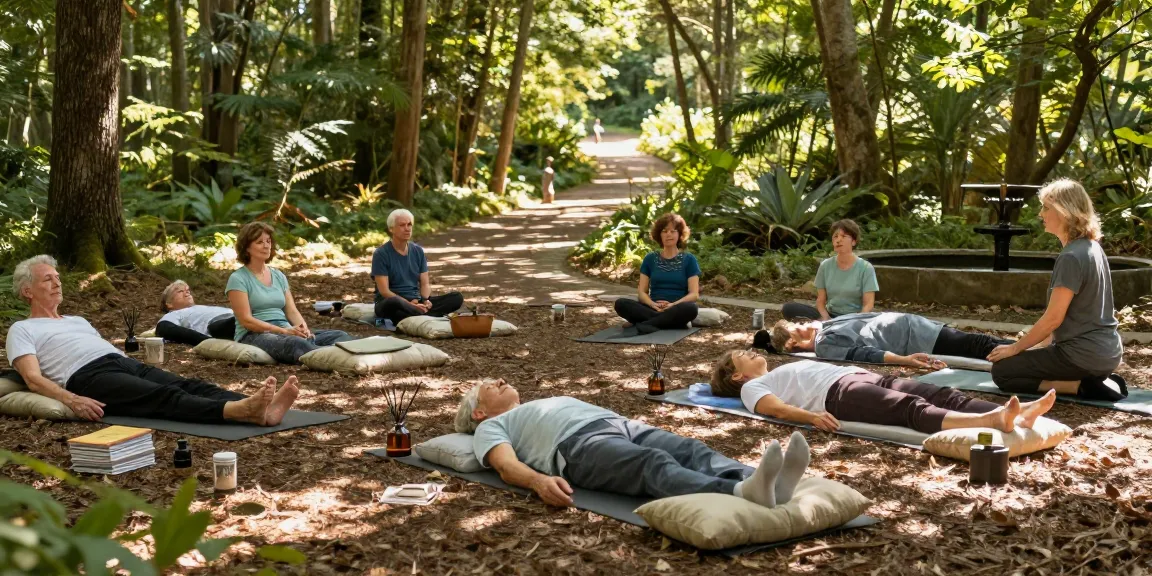
In addition to traditional medical treatment, many veterans find benefit in complementary therapies. This can encompass practices such as acupuncture, yoga, meditation, and massage therapy. These holistic approaches can help manage stress, reduce pain, and enhance overall life satisfaction, providing a balanced approach to health.
Best Practices for Engaging with Veteran Wellness Services
To maximize the benefits of veteran wellness services, it is essential to engage effectively and build a supportive environment for personal growth.
How to Choose the Right Services for Your Needs
Choosing the right wellness service involves assessing personal needs and goals. Veterans should consider factors such as the specific challenges they face, their preferred treatment style, and available resources. Seeking consultation with multiple providers can help individuals find the best fit for their healing journey.
Building a Support Network Within the Veteran Community
Building connections with other veterans can enhance the effectiveness of wellness services. Engaging in community groups, attending support meetings, or participating in recreational activities can foster a sense of belonging and provide additional support. This network can serve as a vital outlet for sharing experiences and coping strategies.
Maintaining Health and Wellbeing Post-Service
Maintaining health and wellness after service requires ongoing effort. Veterans should establish regular check-ups and continue to engage in wellness activities that promote both physical and mental health. Setting achievable goals and remaining proactive about health can empower veterans to live fulfilling lives well beyond their service.
Future Trends in Veteran Wellness Services
As we look ahead to 2026 and beyond, several key trends are anticipated to shape the landscape of veteran wellness services.
Emerging Technologies in Wellness Support
Innovations in technology will increasingly play a role in how veteran wellness services are delivered. Telehealth options are expanding, allowing veterans to access mental health support from remote locations. Apps tailored for wellness tracking and community engagement are also gaining popularity, providing veterans with tools to monitor progress and stay connected.
Changes in Policy Affecting Veteran Wellness
Policy changes on a federal and state level will continue to influence the availability and types of wellness services for veterans. Advocacy efforts aimed at ensuring adequate funding and resources will be crucial in enhancing the quality of care provided. Staying informed about these changes can help veterans navigate the available services effectively.
Anticipating Needs of Veterans in 2026 and Beyond
As the demographic of veterans evolves, so too will their needs. Future services are expected to become more personalized, encompassing a wider range of mental health and wellness options that address the unique backgrounds and experiences of all veterans. Providers will need to adapt continuously to meet these shifting demands while maintaining high standards of care.
What should I look for in a wellness program for veterans?
When evaluating wellness programs, consider their accreditation, the qualifications of their staff, the types of services offered, and the overall reputation of the organization. A comprehensive program should also provide ongoing support and resources tailored to veterans’ unique needs.
Are there government-funded veteran wellness services available?
Yes, various government-funded programs exist to support veterans. The Department of Veterans Affairs offers numerous mental health and wellness programs that can be accessed at little to no cost for eligible veterans. Additionally, local organizations may also provide government-funded or subsidized wellness services.
How can I protect myself from wellness service scams?
To safeguard against scams, always verify the credentials of wellness providers and be cautious of those that ask for upfront payments or pressure you into immediate commitments. Researching reviews and seeking recommendations from trusted sources can also help identify legitimate services.
What benefits do veteran wellness services offer?
Veteran wellness services offer numerous benefits, including improved mental health, enhanced physical fitness, access to a supportive community, and the tools necessary for effective coping mechanisms. These services can significantly enhance a veteran’s quality of life, making reintegration into civilian life smoother and more fulfilling.
How can I find community support for wellness?
Community support can be found through local veteran organizations, support groups, and online forums. Many communities have clubs or events that focus on wellness and camaraderie among veterans. Engaging in these activities not only promotes health but also builds valuable relationships within the community.